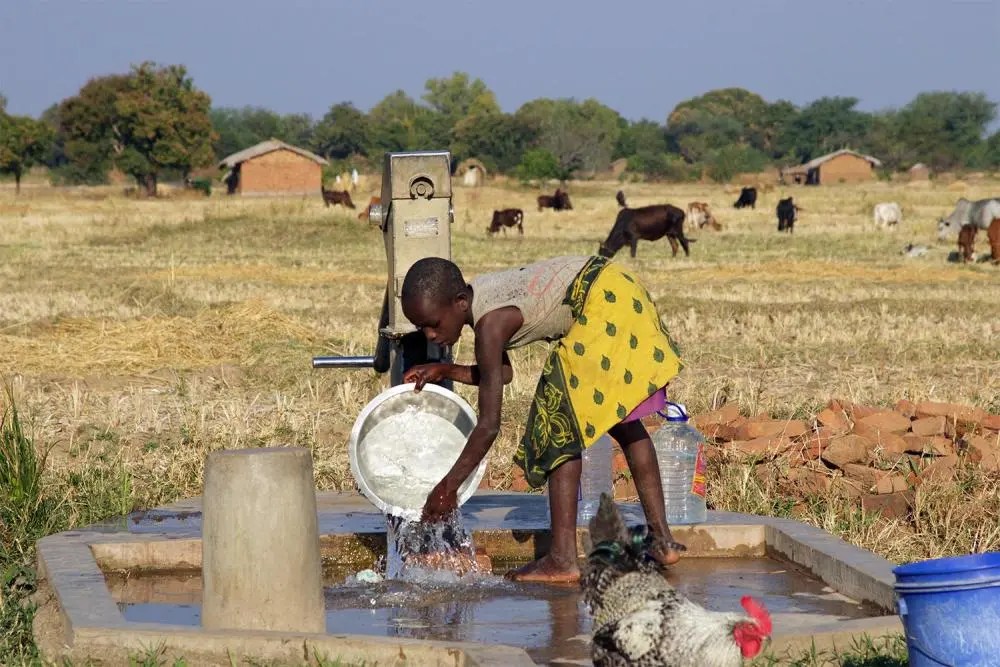
Access to clean water, adequate sanitation, and proper hygiene practices remains one of the most fundamental yet elusive necessities for millions of people in rural communities worldwide. The Pauliram Project Foundation stands at the forefront of addressing this critical challenge, working tirelessly to bring sustainable water, sanitation, and hygiene (WASH) solutions to underserved rural populations. Through a comprehensive, community-centered approach, our organization is not merely providing infrastructure but empowering communities to take ownership of their health, dignity, and future.
Our Mission in Action
At the heart of Pauliram Project Foundation’s work lies a deep commitment to ensuring that every individual, regardless of their geographical location or economic status, has access to safe water and adequate sanitation facilities. We recognize that water is not just a resource—it is the foundation upon which healthy communities are built, where children can attend school without waterborne illnesses, where women are freed from the burden of walking miles to fetch water, and where entire communities can thrive rather than merely survive.
Comprehensive Water Infrastructure Development
The cornerstone of our work begins with borehole drilling and well construction, bringing reliable water sources directly to communities that have long depended on contaminated surface water or distant, unsafe sources. Our technical teams carefully assess hydrogeological conditions, engage with community members to identify optimal locations, and employ modern drilling techniques to tap into clean groundwater reserves. Each borehole represents more than an engineering achievement—it symbolizes hope, health, and a new chapter for families who have spent generations struggling with water scarcity.
Recognizing that access alone is insufficient, we complement our drilling activities with the installation of advanced water filtration and purification systems. These systems ensure that the water reaching community members meets international safety standards, protecting against bacterial, chemical, and physical contaminants. We also specialize in hand pump installation and maintenance, providing communities with reliable, low-maintenance technology that can serve them for decades. Our maintenance programs include training local technicians, establishing spare parts supply chains, and creating sustainable financing mechanisms for repairs, ensuring that infrastructure remains functional long after our initial intervention.
Building Sanitation Infrastructure and Dignity
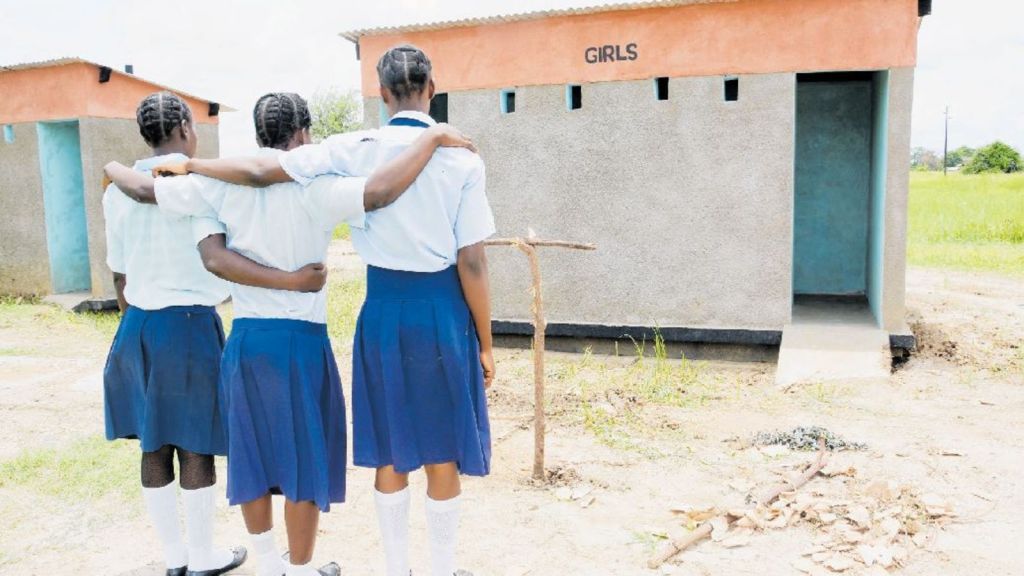
Water access represents only one dimension of our holistic approach. The Pauliram Project Foundation places equal emphasis on sanitation facility construction, understanding that improved sanitation is inseparable from community health. We design and construct latrines that are culturally appropriate, environmentally sustainable, and dignified. Our facilities incorporate proper ventilation, lighting, and privacy features, with special attention to the needs of women, girls, elderly persons, and individuals with disabilities.
Complementing our latrine construction efforts, we establish handwashing stations at strategic locations—near latrines, schools, health centers, and markets. These stations, equipped with soap and clean water, serve as critical intervention points in breaking the fecal-oral disease transmission pathway. Through thoughtful placement and community engagement, these simple yet powerful tools become integrated into daily routines, creating lasting behavior change.
Empowering Communities Through Education and Training
Infrastructure alone cannot transform health outcomes without corresponding changes in knowledge, attitudes, and behaviors. The Pauliram Project Foundation invests heavily in hygiene education and behavior change campaigns that reach every segment of the community. Our trained facilitators use participatory methods, visual aids, and culturally sensitive messaging to communicate the connection between hygiene practices and health outcomes. We focus on critical practices such as handwashing with soap at key times, safe water handling and storage, proper food hygiene, and menstrual hygiene management.
These educational initiatives extend beyond one-time trainings. We establish ongoing engagement through school health clubs, women’s groups, and community health volunteer networks, creating peer educators who can sustain messaging and support behavior change over time. By making hygiene promotion fun, relevant, and socially reinforcing, we see lasting adoption of life-saving practices.
Fostering Sustainability Through Community Management
Perhaps the most distinctive aspect of our approach is our commitment to community ownership and management. The Pauliram Project Foundation facilitates the formation of water committees—democratically elected groups representing diverse community members including women, youth, and vulnerable populations. We provide comprehensive capacity building to these committees, training them in financial management, technical maintenance, conflict resolution, and inclusive governance.
Through our community water management training programs, these committees learn to collect tariffs, manage funds transparently, schedule maintenance, resolve disputes over water access, and plan for long-term sustainability. We help communities develop bylaws, open bank accounts, maintain records, and establish links with local government and technical support providers. This governance structure ensures that communities are not passive recipients of aid but active stewards of their own development.
Creating Ripple Effects of Change
The impact of our WASH interventions extends far beyond health indicators, though those improvements are dramatic—reduced diarrheal diseases, decreased child mortality, and lower rates of waterborne illnesses. We witness girls attending school regularly, no longer missing days due to menstruation or water collection duties. We see women engaging in productive activities, freed from spending hours each day fetching water. We observe strengthened community cohesion as people work together to manage shared resources. Economic productivity increases as healthy community members can work more effectively and invest in livelihoods rather than medical expenses.
Our Commitment to the Future
As we look toward the future, the Pauliram Project Foundation remains committed to expanding our reach while deepening our impact. We continuously refine our approaches based on lessons learned, emerging best practices, and community feedback. We advocate for policy changes that prioritize rural WASH services, forge partnerships with government agencies and other organizations, and mobilize resources to reach the most marginalized communities.
Every borehole we drill, every latrine we construct, every hygiene session we facilitate, and every water committee we train represents our unwavering belief in the dignity and potential of rural communities. At Pauliram Project Foundation, we are not just building infrastructure—we are building hope, health, and a future where clean water and sanitation are no longer privileges but universal realities.
Through persistence, partnership, and a deep respect for the communities we serve, we continue our journey toward a world where no one is left behind in accessing these most basic human rights. The work is challenging, the needs are vast, but with each community transformed, we move closer to our vision of universal access to water, sanitation, and hygiene for all.
 PAULIRAM PROJECT FOUNDATION